Carrboro Scavenger Hunt
Carrboro Photo Scavenger Hunt: Textures, Patterns, Colors
I took the class out of the classroom and into Carrboro for a photo scavenger hunt! It was less about chasing a big subject and more about training your eyes to notice what we'd all normally walk right past.
The point was simple: shoot things you don’t usually photograph, move fast so you don’t overthink, trust yourself to frame something up, and get out and shoot. You can’t learn photography by thinking about photography.
We did the whole thing in 45 minutes, and that’s plenty of time to realize how often you second-guess yourself.
Why a scavenger hunt works
When you’re learning, it’s easy to get stuck waiting for the perfect subject, the perfect light, the perfect moment, the perfect confidence. Meanwhile, your camera sits in the bag. A scavenger hunt gives you a job. It narrows your focus just enough to get you moving, but it still leaves room for creativity. You’re not trying to make a masterpiece. You’re practicing seeing.
And when you practice seeing, you start finding photos everywhere.
Speed and waiting can both be skills
We practiced speed on this walk, but great photography also asks for waiting. Henri Cartier-Bresson called it the “decisive moment.” That idea isn’t about rushing. It’s about being ready, watching, and recognizing the instant when everything lines up. If you want a quick refresher, here’s a good short video: https://www.youtube.com/watch?v=JL1ZetRhwA4
So yes, we moved quickly. But we also practiced a different kind of patience. The kind where you stop, look longer than you normally would, and let the frame show itself on subjects we don't normally look at too hard.
The rules
We weren’t chasing pretty, we were chasing specific visual problems to solve. How do you show texture in a flat photo? How do you make a pattern feel intentional? How do you handle color without letting it boss you around?
Students had to make quick choices about where to stand, what to include, what to cut, and when to press the shutter. That speed matters - not because fast is better, but because it teaches you to rely on your instincts. Your instincts get smarter every time you use them 🙂
Our Carrboro list: Textures, Patterns, Colors
Here’s what we hunted for around the area. If you want to try this yourself, grab this list, set a timer, and go wander somewhere familiar. You’ll be surprised what you’ve been ignoring.
Textures
- Weathered wood grain
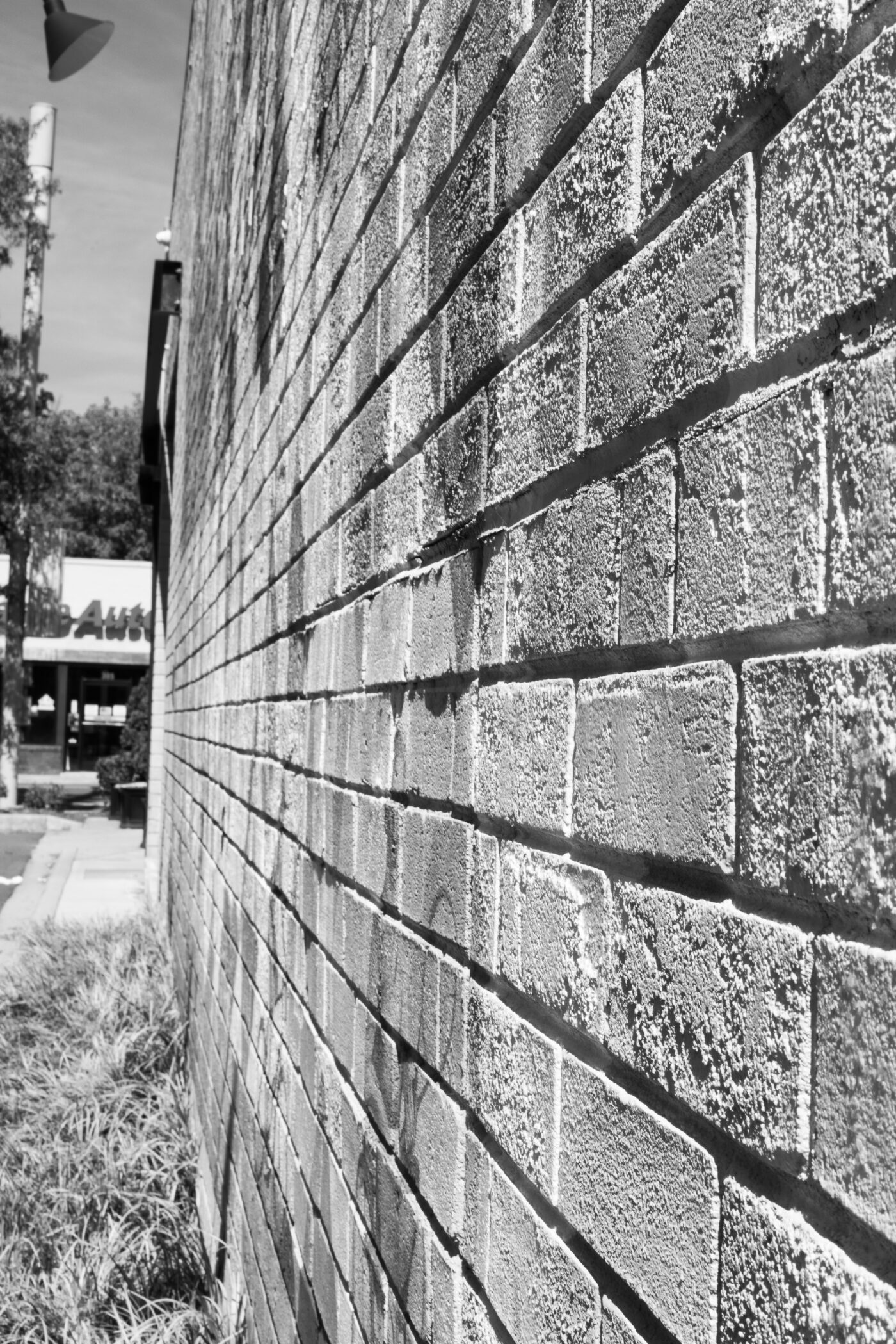
- Brick showing age (chips, moss, uneven color)
- Rust meeting peeling paint
- Deep-ridged tree bark
- Sidewalk crack or imperfection
- Fabric texture found outdoors (woven, knitted, patterned)
Textures are sneaky. You usually have to get closer than feels normal, pay attention to light direction, and decide what you want the viewer to feel.
Patterns
- Repeating geometric pattern (bike rack, grate, brickwork)
- Organic pattern (leaf veins, shadows, mulch, gravel)
- Architectural pattern (window grids, siding lines, shingles)
- Market pattern (produce bins, stacked crates, repeating labels)
- Unexpected pattern (chalk art, yarn bombing, mural repetition)
Patterns teach you framing fast. If you’re off by two inches, the pattern looks messy instead of satisfying. If you tilt when you didn’t mean to, the whole thing feels accidental. But when you nail it, it’s like your brain gets to exhale.
Carrboro is basically a pattern buffet if you’re willing to look down, look up, and look at the boring stuff.
Colors
- Bold primary color
- Strong color contrast
- Monochrome scene (dominant single color)
- Pop of color in a neutral environment
- “Carrboro color story” — a palette that feels uniquely local
Color is the bossy friend in the group. It grabs attention first, whether you planned it or not. So we practiced using it on purpose.
And this was the part students said felt hardest. Textures and patterns showed up pretty quickly once their eyes clicked on. Color took longer. They had to hunt for it.
Finding one bold primary color is easy once you start looking. Finding a monochrome scene is harder, because your brain wants to label objects, not notice palettes.
What I saw students learn in real time
The best part wasn’t the checklist, it was watching people loosen up.
At the start, a lot of folks were trying to get it right. By the end, you could see the shift. Students told me they could feel themselves getting better at seeing as they went.
Want to try it?
Pick a small area. A block. A park loop. The outside of a grocery store. Give yourself 45 minutes. Take this list and make it a game.
Then look at your photos and ask yourself a few questions. What did you notice that you usually miss? What did you photograph that surprised you? What felt easy? What felt hard? What do you want to go shoot again, now that your eyes are awake.
If you do your own version of this scavenger hunt, I want to hear what you found. Carrboro has plenty of secrets. You just have to show up with a camera and a little curiosity.