The Purchases That Disappointed Me Most
The Purchases That Disappointed Me Most (The f/5.6 Lens Era)
There’s an adage in photography: spend money on good glass. Translation: buy good lenses. I heard that early on and nodded like I understood. I did not understand.
The purchase that disappointed me most
Lenses that start at f/5.6. If you’ve ever looked at a lens and thought, “Cool, it zooms really far and it’s not that expensive!”, there’s a decent chance it starts at f/5.6. That was me.
I wanted reach. I wanted flexibility. I wanted that feeling of being ready for anything. I also wanted to be budget-conscious. So I bought the zoom.
The moment it clicked (in the rainforest)
I took that lens into the rainforest, and the rainforest did not care about my new gear. It’s dim. It’s green. The light is filtered and stingy. Everything is moving, even when it looks still.
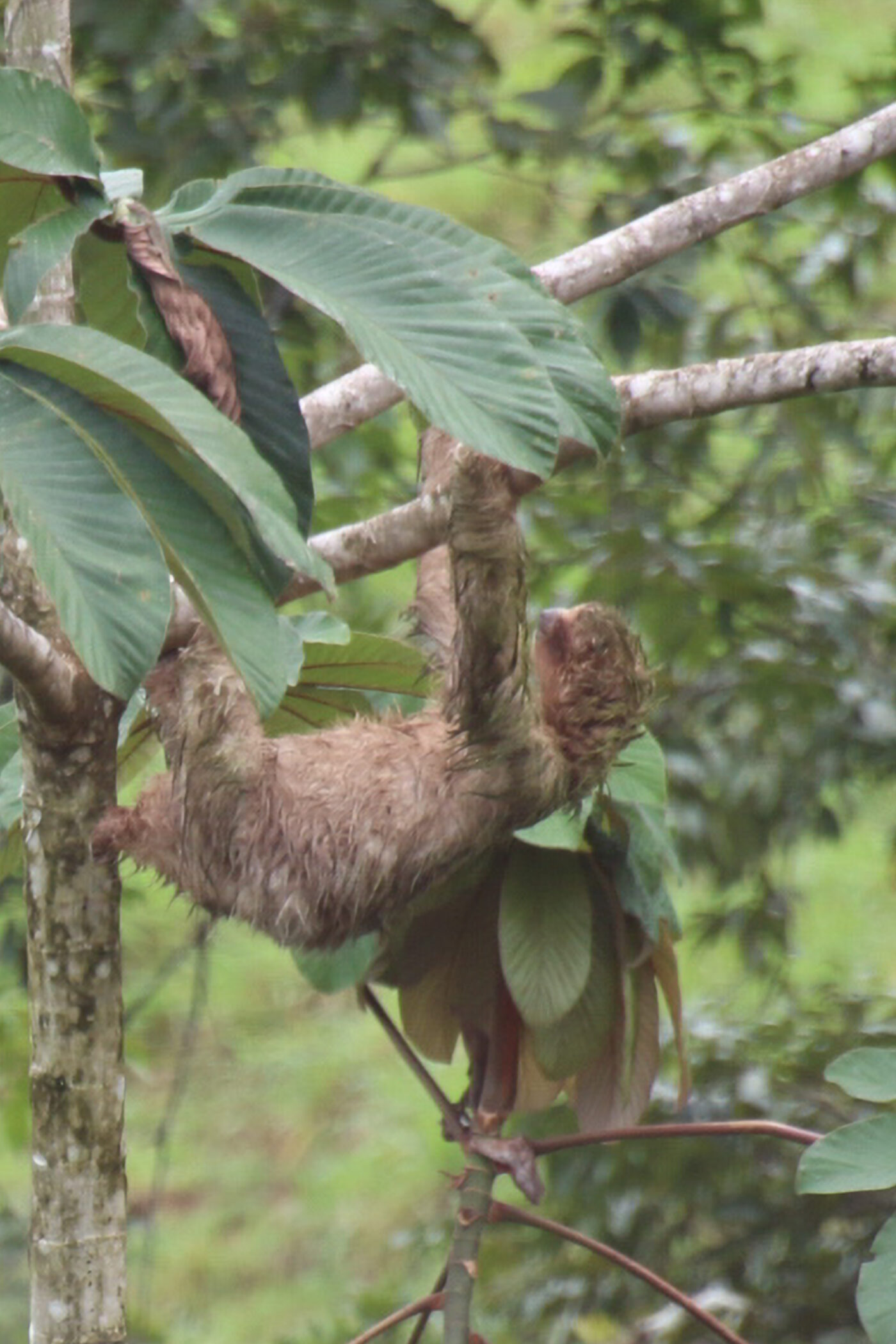
I whipped that thing out shoot anyway. Specifically, I tried to photograph a sloth. A sloth, which is famous for … not really moving at the speed of light. If anything should have been easy, it was this.
My camera started compensating because I didn’t have enough light for a lens that started at f/5.6. ISO went up. Then it went up again.
When I got home and opened the files, I finally understood why people say “good glass” like it’s a life choice. The images were noisy. Not “a little texture” noisy. Noisy like, this is not the look I was going for, like the sloth was blotchy in an unfixable sort of way.
Why f/5.6 can feel like a trap when you’re learning
Why was this a mistake? A lens that starts at f/5.6 has a smaller maximum aperture, which means it lets in less light. If it does other things well and you are going to use it with a high-end camera where high ISO isn’t going to kill your image, go for it.
Otherwise, less light means your camera has to compensate. It does that by raising ISO, which adds noise, or it slows shutter speed, which adds blur. Sometimes it does both, just to keep you humble.
If you’re learning photography, you’re already juggling a lot at once: exposure, focus, composition, timing, and your own nerves. A slow lens adds another problem to solve, and it’s the kind of problem that makes you feel like you’re doing something wrong.
You’re not. You’re just working with less light than you think.
The sneaky cousin: variable aperture zooms
Some zoom lenses change aperture as you zoom. So you start at one end of the lens and you can shoot at, say, f/4. Then you zoom in and suddenly your widest option is f/5.6.
If you’re in manual mode, your exposure can shift unless you notice and adjust. If you’re in aperture priority, your shutter speed can quietly drop as you zoom, and you might not realize it until you see motion blur.
It’s not bad. It’s just one more moving part. And sometimes, when you’re learning, fewer moving parts is a gift.
The “but it was a deal” problem
I am not immune to a bargain. I’ve bought gear because it was on sale, or because I found it used, or because I convinced myself it was basically the same thing as the nicer version.
Sometimes that works. Sometimes you end up with a lens you don’t love, and you keep trying to love it because you already paid for it.
That’s the real disappointment. Not the money. The time. The time you spend second-guessing yourself, the time you spend trying to fix it in editing, the time you spend thinking you’re not improving, when you actually are. I will say this again - the workaround struggle is not worth it - just spend the money.
What I wish I’d done instead
If I could go back and talk to early-photography me, I’d say this: buy fewer lenses. Pick one problem you want to solve, and solve that.
If you can rent before you commit, rent! Even for a weekend. Even if it feels extra. And try that lens out in every situation you can image!
Prioritize light over reach. If you’re photographing in shade, indoors, at dusk, under trees, in a rainforest, you will feel the difference between f/5.6 and a faster lens.
The upgrade isn’t always gear
Sometimes the upgrade is learning to see good light. Sometimes it’s getting comfortable with higher ISO and knowing when it’s worth it. Sometimes it’s practicing steady shooting technique so you can handhold a little slower without everything turning into a blur festival.
Gear can help! Gear can also distract you.
What to ask before you buy your next lens
Instead of “what lens should I buy,” try this. What do you photograph most? Where do you photograph it? What’s the light like? What’s moving? What frustrates you most when you look at your photos?
Then buy gear that solves that specific frustration.